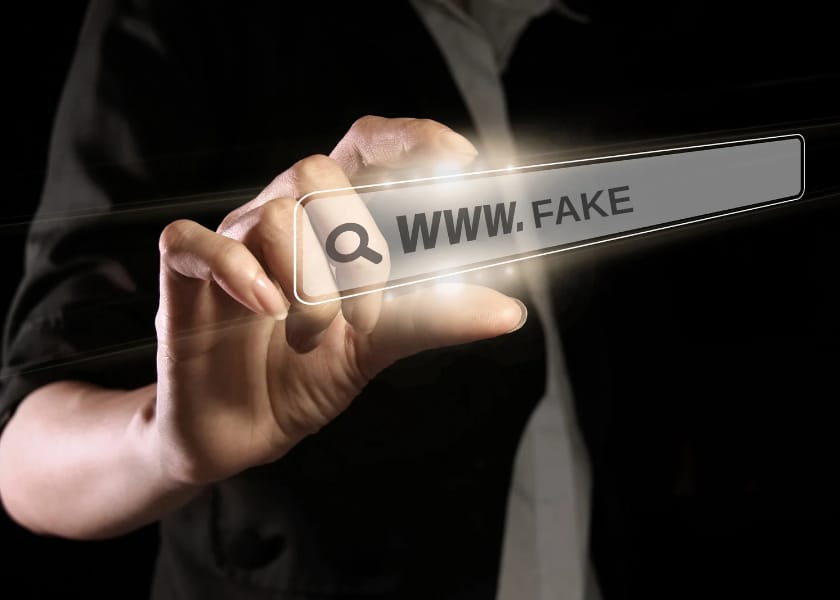
Waking up to find a fake version of your business online, maybe a website that looks just like yours or a social media profile using your name and logo. For a moment, it feels surreal. Scammers, hackers, and impersonators continually create fake platforms to steal customer information, trick users into making unauthorized payments, or disseminate misinformation. These fakes don’t just affect large corporations anymore. Now, even small businesses, freelancers, and influencers are frequent targets. Can cybersecurity companies help remove fake websites or social media accounts pretending to be you?
Absolutely, yes. And not only can they help, but in many cases, they’re the fastest and most effective way to get it done.
Let’s walk through how cybersecurity companies handle impersonation threats and what you can expect from their support.
How Cybersecurity Companies Remove Fake Websites and Social Media Profiles
The world of cybersecurity has undergone rapid evolution. While most people still associate cybersecurity with antivirus software or IT firewalls, the reality is much broader. Today, cybersecurity professionals work proactively to help brands, individuals, and organizations remove fake websites, social profiles, and phishing content that could otherwise do serious damage.
Here’s how the process usually unfolds:
1. Detection and Alerts
Everything starts with detection. Cybersecurity companies use AI-powered tools and domain-monitoring systems to scan the web 24/7. They track:
- Suspicious domains that look like your website
- Social media profiles copying your brand name
- Unusual activity tied to your business name or keywords
- Cloned content or logos are being used elsewhere.
And these threats are everywhere. According to Forbes, an average of 1.5 million phishing websites are created every single month. That means thousands of new fakes appear every day. Some look just like real brand sites and can fool even cautious customers.
That’s why real-time scanning and early alerts are critical. The faster a fake is spotted, the easier it is to shut it down before it causes real harm.
2. Rapid Takedown and Platform Reporting
As soon as a phony site or a social profile is found, there are no delays on the part of cybersecurity professionals. They instantly start the process of takedown, and this includes:
- Complaints sent out to domain registrars and hosting providers
- Reporting of fake accounts to online networks
- Moreover, posting the URLs to Google Safe Browsing with a notification that the site is not safe
Most business owners cannot do this properly on their own. Cybersecurity companies have dealt with such providers and understand how to escalate the problem adequately.
And here’s why speed matters. Based on Statista, phishing websites typically stay live for about 11.5 days. That might not sound like much, but during that short time, they can scam hundreds of users, collect sensitive data, and cause irreversible reputational damage. So, acting fast isn’t just smart—it’s necessary.
3. Legal Enforcement
In other instances, frauds are not going to give up without putting up a fight. If a simple report does not do the work, then cybersecurity companies produce the ultimate malfunctioning toy, legal enforcement.
They will assist you with the issue:
- DMCA takedown letters (particularly in case of use of your content by a person)
- Cease-and-desist letters
- Moreover, market reports to the relevant authorities on trademark infringement
These legal instruments put more pressure on the hosting site of the fake site or account. What is more, in case you have your brand registered or trademarked, your case is yet more strengthened. This is particularly significant to those involved in creating, influencing, and even e-commerce-based businesses that depend on images or branded content. Not only is impersonation a breach of trust, but it may also be a breach of the law.
4. Ongoing Monitoring and Protection
Once a fake website is removed, that doesn’t mean the problem is over. Sadly, scammers are persistent. They may register another domain the next day or open a new fake profile under a slightly altered name.
That’s where ongoing cybersecurity monitoring comes in. Most reputable firms offer recurring protection plans that include:
- Domain monitoring
- Trademark watch services
- Additionally, social media alerting
- Phishing link blocking
- Email security tools
Why is this so important? Phishing attacks accounted for 36% of all U.S. data breaches in 2023, according to the Verizon Data Breach Investigations Report. And globally, more than 71% of organizations reported at least one successful phishing attack.
In other words, fake websites and impersonation attacks aren’t going anywhere. If anything, they’re increasing.

Why Removing Fake Websites Is So Urgent
Now that we’ve looked at the process, let’s talk about why you should care, especially if you’re a business owner, content creator, or public figure.
Fake websites and profiles can cause:
- Massive customer confusion: People won’t know which site is real.
- Financial fraud: Victims may unknowingly send money or data to scammers.
- Negative press and backlash: Your brand might be blamed for something you didn’t do.
- Search engine penalties: Google may flag your brand if too many fake links are linked to it.
What’s even worse is the cost. In 2024, global losses from phishing attacks hit $17.4 billion, as reported by Cybersecurity Ventures. And if you’re running a mid-sized business, one successful phishing attack could cost you $1.6 to $1.8 million.
So clearly, the longer you wait to remove fake websites, the more damage can be done.
What If You’re Not a Big Brand?
Here’s the good news: You don’t need to be a Fortune 500 company to get help.
Many cybersecurity companies now offer affordable services tailored for:
- First, solo entrepreneurs
- E-commerce store owners
- Additionally, startups
- Influencers
Thankfully, these plans often include everything you need:
- 24/7 brand monitoring
- Real-time alerts
- Fake website removal
- Lastly, legal support for impersonation issues
Benefits of Letting Cybersecurity Companies Handle It
Here’s what you gain by working with professionals who specialize in removing fake websites:
- Fast identification of impersonators
- Trusted reporting channels and faster responses
- Moreover, legal support for takedown efforts
- Continuous monitoring for future threats
- Protection for your brand, customers, and digital identity
Thus, it’s not just about cleanup, it’s about prevention, too.
Final Thoughts
So, back to our original question: Can cybersecurity companies help remove fake websites or social media impersonators? Yes, and they do it better than anyone else.
With advanced detection tools, legal strategies, and constant monitoring, they act as your digital bodyguard, especially when scammers try to hijack your online presence. With over 932,000 phishing sites detected in just one quarter, impersonation is not a small issue. It’s a growing threat—and the sooner you address it, the safer you and your brand will be.
Frequently Asked Questions:
How quickly can you remove fake websites or profiles?
Usually within 24–72 hours, especially if submitted through the right channels with proper evidence.
Do small businesses need cybersecurity services?
Absolutely, Scammers don’t only target big names. Smaller brands are often easier to impersonate due to a lack of protection.
What kind of proof is required to remove a fake site?
Proof of trademark, copyright ownership, or screenshots of impersonation can help build a strong takedown case.