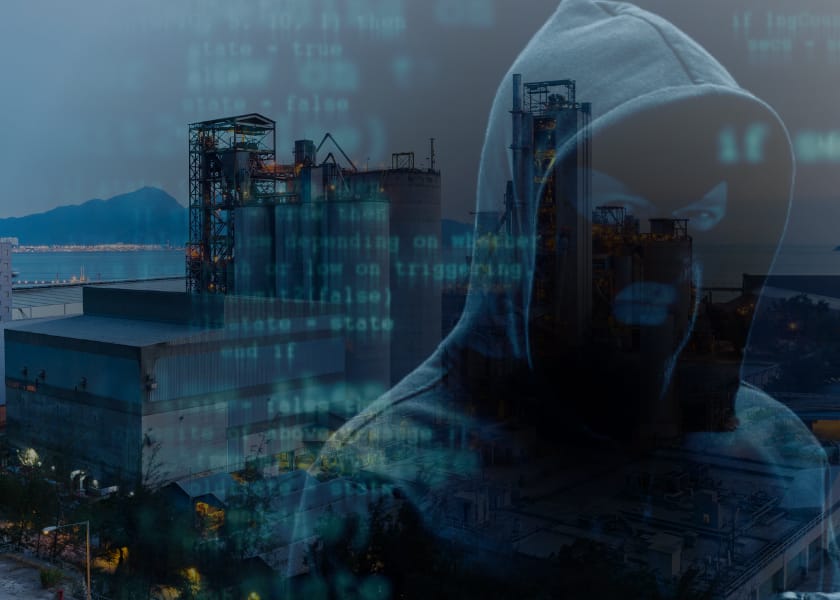
The oil and gas industry keeps the world moving, but behind the pipelines, rigs, and refineries are sophisticated SCADA (Supervisory Control and Data Acquisition) systems quietly running the show. These systems control critical infrastructure, from valve pressure to real-time data monitoring. Now here’s the catch: they’re becoming prime targets for hackers. The risks? Catastrophic. We’re talking about halted production, environmental disasters, and even national security threats. Protecting oil & gas SCADA systems from cyber attacks isn’t just a technical challenge; it’s a business imperative.
Yet, many companies are still relying on outdated defenses, assuming their industrial systems are safe by design. Unfortunately, they’re not. This blog explores the growing threats, the vulnerabilities you can’t afford to ignore, and practical steps to secure your SCADA systems before it’s too late.
Why Protecting Oil & Gas SCADA Systems from Cyber Attacks Matters
SCADA systems were not created to be connected to the internet. They were created decades ago, with performance and uptime, but not with cybersecurity in mind. However, in the rush of businesses to integrate these systems with the cloud and other networks, they are also inadvertently putting them under threat from external sources. This is when the urgency of securing oil & gas SCADA systems against cyber attacks steps in.
In comparison with a typical data breach, an attack that involves SCADA can paralyze the work of entire supply chains or lead to damage to infrastructure, damage to employees, and the environment.
Attackers are aware of it. It is not merely in search of data to steal but because they want to destroy operations, extort or even cripple the energy infrastructure of a country. This is why it is no longer optional to be aware of these risks and so react in advance.
Top Threats to SCADA Systems in the Oil & Gas Sector
Before you can protect your systems, you need to know what you’re up against. The cyber threats targeting SCADA environments are evolving, and many are designed to exploit industrial-specific vulnerabilities.
1. Ransomware Targeting Operational Technology (OT)
Modern ransomware isn’t just about locking files; it’s increasingly tailored to disrupt OT environments like SCADA. Once inside, attackers can halt processes and demand massive payouts to restore operations.
2. Legacy Systems with No Security Layers
Many SCADA systems still run on legacy platforms, with outdated operating systems that no longer receive patches. These systems become easy targets for attackers using well-known exploits.
3. Insider Threats and Human Error
Whether it’s an untrained technician plugging in a USB drive or a disgruntled employee leaking credentials, internal risks are real and often overlooked.
4. Supply Chain Compromise
Attackers may target third-party vendors who provide hardware, software, or maintenance. Once a vendor is compromised, your SCADA environment could be next.
These are just a few of the critical reasons why protecting oil & gas SCADA systems from cyber attacks must be a top priority.
Real-Life Examples That Hit Too Close to Home
In recent years, we’ve seen actual cases that highlight the seriousness of the threat.
- Colonial Pipeline Attack (USA, 2021): A ransomware attack disrupted nearly half the fuel supply for the East Coast, causing widespread panic and fuel shortages.
- Shamoon Malware (Middle East, multiple incidents): This malware destroyed thousands of machines at oil and energy companies, wiping data and halting operations.
Both incidents show that even advanced companies with massive resources can fall victim if SCADA protection is neglected.
How to Start Protecting Oil & Gas SCADA Systems from Cyber Attacks
So, what can your organization do right now? Fortunately, there are clear, practical steps that can drastically reduce your risk.
1. Segment Your Networks
Keep SCADA systems isolated from corporate IT networks. Moreover, use firewalls and demilitarized zones (DMZs) to limit access. Never expose control systems directly to the internet.
2. Implement Strong Access Controls
Use multi-factor authentication for remote access. Assign role-based permissions to limit what users can do and see. Disable default credentials, yes, people still forget this.
3. Regularly Patch and Update Systems
While downtime is costly in the oil and gas world, running unpatched SCADA systems is even riskier. Therefore, schedule maintenance windows and keep software up to date.
4. Train Employees to Recognize Social Engineering
Human error is one of the biggest weak points. So, regular cybersecurity training helps staff identify phishing, suspicious behavior, or policy violations.
5. Deploy Intrusion Detection Systems (IDS)
SCADA-specific IDS can detect unusual activity within your control network, giving you an early warning before things spiral.
Thus, with these best practices in place, protecting oil & gas SCADA systems from cyber attacks becomes far more manageable and far less expensive than responding to an actual breach.

Avoid These Common Mistakes
Many companies take some precautions, but overlook key areas that leave them exposed. Watch out for these pitfalls:
- Relying solely on air-gapping (it doesn’t always work in hybrid networks)
- Additionally, ignoring the physical security of the control room access
- Using “one-size-fits-all” security tools not built for OT environments
- Failing to involve both IT and OT teams in planning and response
Being proactive means not just buying tools, but building a culture of shared responsibility.
Role of Compliance and Industry Standards
When it comes to protecting oil & gas SCADA systems from cyber attacks, compliance with global standards is a helpful guide, not a burden.
So, look into these frameworks:
- ISA/IEC 62443: Specifically designed for industrial control systems
- NIST Cybersecurity Framework: Offers a flexible structure for assessing and improving security
- NIS2 (EU) and PDPL (Middle East): Lastly, legal frameworks that are becoming more relevant in cross-border oil and gas operations
Adopting these standards shows regulators and your stakeholders that you take cybersecurity seriously.
Final Thoughts
The threat to critical infrastructure isn’t theoretical; it’s happening right now. And in the oil and gas sector, the stakes couldn’t be higher. From production halts to environmental harm, the consequences of an attack are far-reaching and long-lasting.
But here’s the good news: with the right awareness, tools, and action plan, protecting oil & gas SCADA systems from cyber attacks is entirely achievable. So don’t wait for a crisis. Start securing your SCADA systems today, because in this high-risk environment, preparation is everything.
Frequently Asked Questions
1. Can traditional IT security tools protect SCADA systems?
Not entirely. SCADA environments have unique protocols and uptime requirements. You need tools built specifically for industrial control systems (ICS) and operational technology (OT).
2. How often should SCADA systems be assessed for security?
At least annually, or whenever there’s a major system update or infrastructure change. Regular audits and vulnerability assessments are critical to staying secure.
3. Is remote access to SCADA systems safe?
Only if it’s done with strict access controls, encryption, and monitoring. Remote access should be minimized and always go through secure, segmented gateways.