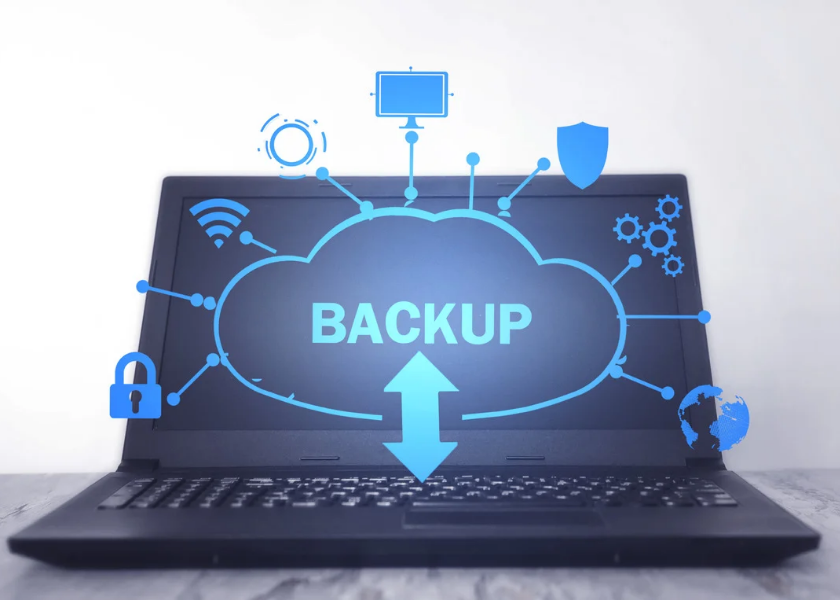
In 2024, several high-profile outages across the GCC reminded us of one thing: backup and disaster recovery isn’t just a technical process; it’s a business lifeline. From unexpected data center failures to cyberattacks that took major systems offline, companies across Saudi Arabia, the UAE, and Qatar faced real-world tests of their recovery strategies. Sadly, not all passed.
A major telecom provider in the region experienced a five-hour system blackout due to a failed failover. Despite having a disaster recovery system on paper, the recovery time was much longer than acceptable. The cost? Millions in revenue loss and a serious dent in customer trust.
As we move through 2025, it’s not enough to just have backups stored somewhere. So, you need a well-tested, agile disaster recovery strategy that aligns with modern threats and actual business needs. In this blog, we’ll discuss key lessons from recent regional outages and help you build or refine your backup and disaster recovery plan.
Why Backup & Disaster Recovery Is More Important Than Ever
For the Gulf economy, even a single hour of downtime can trigger serious damage. From ransomware striking a bank to power outages in a data center to accidental configuration mistakes, disruptions are becoming ever more unpredictable and impossible to avert. Therefore, what makes backup and disaster recovery so vital in this region?
- Rapid adoption of cloud infrastructure
Although the cloud provides flexibility, it likewise introduces new risks, particularly when backups fail to synchronize across hybrid environments. Where recovery procedures are not smooth, a minor misconfiguration can result in huge data losses.
- Strict data protection regulations
Governments in the GCC are issuing stringent regulations. On the heels of the UAE’s Federal Personal Data Protection Law and Saudi Arabia’s Cloud Computing Regulatory Framework, swift data restoration and virtually no service interruption are mandatory.
- Growing cyberattacks across sectors
In 2024, numerous GCC financial institutions found their on-site servers obliterated through malware attacks. Organizations that did not rely on cloud backups were forced to scramble.
It is obviously no longer sufficient to treat backup and disaster recovery as merely a checkbox; it has inherently become a vital facet of operational resilience.
What Regional Outages Have Taught Us
For improvement, we must heed what went wrong. First, we will examine some real-world examples from the GCC and the lessons they provide.
1. Tested Plans Matter More Than Written Ones
The recovery framework of the 2024 logistics firm based in Dubai was clearly well-conceived … until it kicked into action. Yet the plan had never been subjected to a stress test. Thus, when the ransomware attack struck, they discovered that their backup servers were not properly segmented. Full recovery stretched over a three-day period. The principal takeaway? It is imperative to test your backup and disaster-recovery systems against simulated failure conditions.
2. Cloud Backups Need Local Awareness
A governmental body in Saudi Arabia counted exclusively on cloud storage based overseas. Because overseas connections were briefly interrupted by a submarine cable malfunction, restoring data became impossible. The incident underscored the importance of geo-redundant backups, ensuring that a recovery site exists within national boundaries.
3. Human Error Can Still Be the Biggest Threat
A regular upgrade of the software in place in Qatar erased key system files. The fail-safe backup system had been deactivated to bring up the backup. There was no manual override, so full operations resumed only 48 hours later. A single human error resulting from bad process controls costs a lot. The fix? Human-proof in every setup in a manner possible to allow alerts, authorization, and pause-on-error features.
Such accidents demonstrate that simply possessing a backup strategy and a disaster recovery plan is one thing, but ensuring that it is viable, tested as well and secure is another.

What an Effective Backup & Disaster Recovery Plan Looks Like in 2025
Let’s now turn our focus to what modern, effective plans should include.
1. Automated, Regular Backups Across All Systems
Your backup frequency should match the pace of your business. For example, a retail company with hourly transactions shouldn’t rely on daily backups. So, use automated tools to back up data continuously, especially mission-critical applications like ERP, CRM, and customer portals.
2. Geo-Redundancy and Local Compliance
Ensure backups exist in multiple regions, and at least one of them should comply with local data residency laws. Additionally, cloud services like Azure UAE Central or Oracle Cloud in Saudi Arabia now offer locally hosted disaster recovery solutions.
3. Clear RTO and RPO Metrics
Recovery Time Objective (RTO) and Recovery Point Objective (RPO) aren’t just jargon. They define how fast you can get back to business and how much data you can afford to lose. These should be tailored to the specific impact of downtime on your operations.
4. Role-Based Access and Encryption
Only authorized personnel should access backup files. Use strong encryption both in transit and at rest. In one recent GCC incident, a disgruntled employee gained access to unprotected backup folders and deleted key archives. Thus, a simple RBAC policy could have prevented it.
5. Routine Testing and Live Drills
Schedule quarterly recovery drills and full-failure simulations. It’s not enough to trust the system; your people need to know how to respond. Build it into your SOPs and treat it like fire drills: annoying, yes, but life-saving.
So, with these pillars in place, your backup and disaster recovery system moves from being reactive to proactive.
Conclusion
Downtime is inevitable, but being unprepared isn’t. Whether you’re running a government agency or a growing startup in the Gulf, a solid backup and disaster recovery strategy could mean the difference between a minor hiccup and a full-blown crisis.
By learning from real incidents, investing in proactive tools, and building a culture of preparedness, you’ll not only protect your business but you’ll empower it to thrive in uncertainty. So, take a moment today. Review your plan. Run a test. Talk to your team. Because the next outage may not give you a warning.
Frequently Asked Questions:
1. What’s the difference between backup and disaster recovery?
Backup refers to storing copies of your data, while disaster recovery includes the full process of restoring systems, services, and operations after an outage. Both are essential, but disaster recovery goes beyond just data, it’s about business continuity.
2. How often should we test our disaster recovery plan?
At minimum, you should run full-scale DR drills twice a year. However, more frequent component-level tests (monthly or quarterly) can catch issues early and keep your team sharp.
3. What’s the best solution for businesses in the GCC?
There is no one-size-fits-all. However, using local cloud providers (like Azure UAE, Oracle KSA) with robust DR tools and multi-region backup capabilities ensures compliance and performance. Partnering with regional MSPs can also help tailor strategies to your specific risk profile.