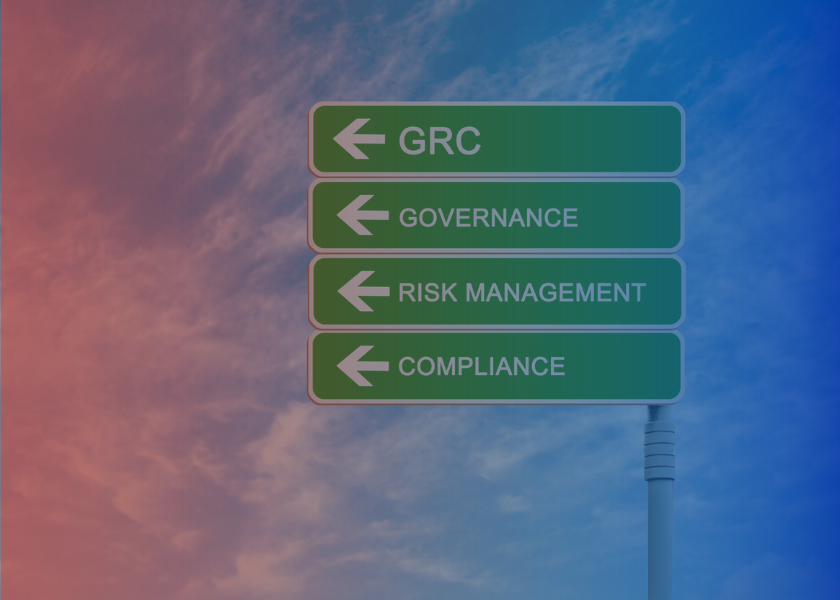
Saudi Arabia’s digital and economic landscape is transforming rapidly. With Vision 2030 fueling modernization, organizations face immense opportunities. However, growth also brings heightened risks, stricter regulations, and rising cyber threats. In this context, it is no longer a choice, but it is a necessary option of Governance Risk & Compliance KSA. Companies investing in robust GRC models will insulate themselves against the impact, gain stakeholder confidence, and be resilient in the long term.
Why Governance, Risk & Compliance KSA Matters
In the Kingdom of Saudi Arabia, there is an environment in which all businesses operate, balancing opportunities and risks. Compliance is more complicated than ever, particularly with digital transformation, increased investment, and international growth. Simultaneously, the regulators are enforcing more stringent cybersecurity, financial, and data protection regulations.
Thus, to guarantee adequate measures to address the issue of cybercrime, organizations should have clear policies governing their operations, have an effective risk management strategy, and stay in line with both national and international regulatory standards. In this way, they not only will continue to be compliant but also gain the trust of customers, investors, and partners. In the absence of a sound Governance, Risk, and Compliance KSA strategy, firms are vulnerable to reputational losses, financial fines, and even closure of their operations.
Building Blocks of Strong GRC Frameworks
However, the contemporary GRC programs are based on three fundamental pillars:
- Governance: This guarantees easy decision-making procedures, responsibility, and transparency. Under good governance, the leadership balances business interests with both ethical and regulatory roles.
- Risk Management: There are financial, operational, and cybersecurity risks that organizations encounter on a day-to-day basis. Moreover, proactive risk management can detect threats at an early stage, evaluate the impact, and take preventive measures.
- Compliance: Compliance ensures that businesses abide by regulations, rules, and standards. In Saudi Arabia, compliance is now applied to the data privacy, anti-money laundering, and cybersecurity regulations.
All these pillars can establish a culture of accountability and resilience. Combined with the digital tools, Governance Risk, and Compliance KSA becomes more efficient, scalable, and responsive to changes in the threats.
Case Studies of Governance, Risk & Compliance KSA
1. Financial Services Built to Strengthen Compliance
One of the top Saudi banks struggled with the need to comply with international reporting requirements and handle cybersecurity risks. The adoption of a digital GRC platform has allowed the bank to automate compliance checks as well as streamline reporting. Consequently, it minimized the number of manual mistakes, prevented penalties, and increased client confidence. Moreover, the implementation of Governance Risk and Compliance KSA into the day-to-day business activities transformed the regulatory pressure into a competitive advantage.
2. Oil and Gas industry Risk management
The oil and gas industry in Saudi Arabia is continually under threat, be it the supply chain disruption or even a targeted cyberattack. Enterprise-wide risk assessments with the aid of GRC were implemented in one of the major companies. As a result, the organization was able to identify high-priority risks early on and implement mitigation strategies and continuity in case of unexpected incidents. Risk & Compliance KSA Strong Governance measures infrastructural, as well as revenue protection.
3. Regulatory Compliance of the Healthcare Sector
KSA health professionals deal with confidential patient information. One of the major hospital chains adopted automated compliance tools in order to comply with health data and cybersecurity requirements. The patient records were not only secured by this modernization, but it also enhanced efficiency in operations. The hospital ensured that Governance, Risk, and Compliance KSA is embedded in the various departmental set-ups, thus keeping the hospital on track as far as service delivery is concerned.

Key Benefits of GRC for Organizations in KSA
Businesses receiving GRC in an effective manner attain more than compliance. They gain in the long-term benefits like:
- Better decision-making: Leaders are clear in their actions since governance maximizes risks, compliance, and business objectives.
- Minimized dangers: Reactive schemes are reduced in terms of financial and cyber risks.
- Efficiency of operations: Automated reporting and monitoring save time and costs.
- Confidence in regulation: The companies show willingness to undergo audit and inspection.
- Better reputation: Bigger organizations have a better reputation with their customers and investors because of their transparent and compliant practices.
Thus, Governance, Risk, and Compliance KSA is becoming not a regulatory liability but a strategic enabler with these advantages.
Strategies to Modernize GRC in KSA
To modernize GRC programs, organizations can do the following that are practical:
- Implement digital GRC systems: Monitoring using AI and automated dashboards allows for the cognition of risks.
- Make compliance part of the operations: Compliance should not be seen as an appendage but incorporated into the day-to-day operations.
- Train employees regularly: All employees at every level ought to be aware of compliance obligations and ethical standards.
- The Vision 2030 aims: The company supports the national priorities, receives better support, and promotes sustainability.
- Employ local knowledge: Collaborating with Governance Risk and Compliance KSA consultants would make sure that the frameworks comply with the regulations of Saudi Arabia.
Future of Governance, Risk & Compliance KSA
GRC’s role within the Kingdom is only going to increase. Future trends are characterized by several trends:
- Tougher laws: Data protection, anti-bribery, and cybersecurity laws will be more detailed.
- Digital first compliance: AI and automation will change risk monitoring and reporting.
- International coordination: Since KSA businesses will be present at an international level, this will entail adherence to international standards.
- Culture-based governance: The issue of ethical decision-making will continue to play a key role in business development.
Finally, organizations that will innovate their structures will prosper, and those that will fail to do this will become stagnant.
Conclusion
The fast-changing market in Saudi Arabia is not a matter of corporate checking off on GRC but an essential element of business. So, Companies adopt governance, risk, and compliance as a part of their main strategies to gain resilience to safeguard their reputation. However, we are able to view the success that industries such as finance, oil, and healthcare have as a result of a modernized structure.
In simple terms, Governance, Risk & Compliance KSA is no longer a choice. It is the basis of sustainable development, and organizations can equip themselves to meet future requirements through effective GRC practices today.
Frequently Asked Questions
1. What is the difference between Governance and Compliance in GRC?
Governance refers to the process that organizations are guided by in making ethical and strategic decisions, and compliance is the second aspect in terms of following laws and standards. So, they are both related, yet they have different purposes.
2. What is the reason why GRC is gaining significance in Saudi Arabia?
Businesses are more accountable with the growing digital transformation, rapid change in regulation, and Vision 2030. Effective Governance, Risk, and Compliance KSA models are a guarantee of resiliency and competitiveness.
3. Is it possible to use GRC frameworks to the advantage of small businesses in KSA?
Yes. Regulatory requirements and risks are also posed to even small businesses. Moreover, downsized GRC solutions assist them to stay afloat, mitigate risks, and gain customer confidence.


