Have you ever wondered how top organizations stay secure, follow the law, and still meet business goals, all at once? That’s where GRC in cybersecurity comes into play. In the growing world, cyber threats are no longer just technical issues. They’re business risks. At the same time, regulations are stricter than ever, and companies must balance security, compliance, and strategy. Governance, Risk, and Compliance (GRC) helps organizations manage this complex mix in a structured way. But what exactly is GRC? And why does it matter so much for cybersecurity? Let’s break it down.
Understanding GRC in Cybersecurity
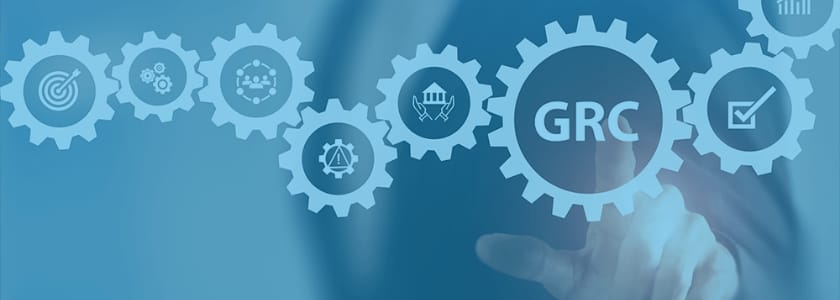
Organizational relevance in GRC for cybersecurity is a model that enables organizations to align their IT security strategies with business objectives, risk thresholds, and administrative strictness. It is made up of three interrelated areas:
- Governance: Spells out decision-making, responsibility, and goal measurements
- Risk Management: Recognizes, determines, and takes care of risks and weaknesses
- Compliance: Guarantees that the organization abides by the law, standard, and policy
A combination of these three allows organizations to prevent cyber incidents, minimize risk exposure, and demonstrate compliance to stakeholders and regulators. Put differently, GRC creates a solid base of cybersecurity, not only to protect protection of systems, but also to create and management of a business that operates in a responsible and safe framework.
What Is the Significance of the GRC in Cybersecurity?
Cybersecurity is not an island. It arouses all aspects of the business: credibility of customers, legal risk, corporate image, and business sustainability. Cybersecurity GRC is useful in managing the more far-reaching effects because it will provide a coherent approach. Here is how it can be value-added:
1. Makes Cybersecurity Business Strategy Aligned
GRC in cybersecurity makes sure that the organizational goals are linked to security efforts. Companies are no longer pursuing every emerging security trend but focusing on what is most important to their mission and industry.
The alignment also assists the leadership to comprehend cybersecurity in terms of business, making it convenient to acquire the support and funding needed to implement the required initiatives.
2. Proactively Zeros in on the reduction of risk.
One of the most important components of GRC is the prevention of threats before they become real issues. Risk management enables firms to rank the most probable and pernicious risks, and subsequently use resources to mitigate inconvenient risks. Because of this, teams are able to concentrate on threats that do matter, which in turn saves the team time, money, and effort.
3. Enforcements Industry Regulatory Compliance
Everything, whether GDPR, HIPAA, ISO 27001, and many others, continues to grow. GRC frameworks enable companies to be on the top end of their compliance and prevent the huge incursion of fines and lawsuits. Good documentation and clear controls, plus periodic audits, allow companies to demonstrate that they are doing their fair share to safeguard sensitive information.
4. Improves Incident Response and Recovery
With governance structures in place, organizations can respond to incidents faster and more effectively. Everyone knows their roles, processes are already defined, and actions are aligned with both security needs and legal obligations.
This level of preparedness often means the difference between a minor issue and a business-crippling breach.
How GRC Helps Build a Security-First Culture
Culture plays a big role in cybersecurity. No matter how advanced your tools are, one careless employee can still click a malicious link. GRC in cybersecurity encourages awareness and accountability at every level of the organization. Through policies, training, and audits, GRC in cybersecurity promotes a shared responsibility model. Employees learn how their actions impact security, and leadership demonstrates a commitment to protecting data and systems.
Over time, this creates a security-first culture, where compliance and risk management aren’t afterthoughts, but business priorities.
Tools Commonly Used in GRC for Cybersecurity
Modern organizations often use technology to streamline GRC processes. While tools can’t replace strategy, they make it easier to monitor risks, enforce policies, and maintain documentation. Here are some widely used solutions:
- GRC Platforms (e.g., RSA Archer, LogicGate): These platforms integrate risk assessments, policy management, and audit tracking in one place.
- Compliance Management Tools (e.g., OneTrust, TrustArc): Help manage data privacy laws and track adherence to regulations like GDPR.
- Risk Management Software (e.g., RiskLens, MetricStream): Allows companies to assess and model cyber risks in financial terms.
- Automated Policy Enforcement (e.g., ServiceNow GRC): Ensures consistent application of rules across systems and departments.
With the right tools, teams can reduce manual work and gain real-time visibility into their GRC posture.
GRC vs. Traditional Cybersecurity Approaches
So, how is GRC different from traditional cybersecurity practices? Most traditional cybersecurity approaches focus narrowly on technology, like firewalls, antivirus software, and intrusion detection. While those tools are essential, they don’t address broader business needs or legal risks.
GRC in cybersecurity takes a wider view. It connects IT controls to strategic goals and compliance requirements. Instead of reacting to threats, GRC enables organizations to anticipate them, plan, and demonstrate accountability. In short, traditional cybersecurity asks: How do we protect our systems?
GRC asks: How do we protect the business? Both are important, but GRC makes sure security decisions support the bigger picture.
Who’s Responsible for GRC in Cybersecurity?
GRC is a shared responsibility. While there may be a dedicated GRC team or officer, success depends on collaboration across departments. Here’s a breakdown:
- Executive Leadership sets the tone by supporting GRC policies and funding.
- IT and Security Teams implement controls, monitor risks, and respond to incidents.
- Legal and Compliance Teams track regulatory changes and ensure documentation.
- All Employees play a role by following policies, completing training, and reporting issues.
The more cross-functional the effort, the stronger the GRC program becomes.
Challenges in Implementing GRC
Like any strategic initiative, GRC can come with challenges:
- Complexity: Combining governance, risk, and compliance can be overwhelming without a clear roadmap.
- Resistance to Change: Employees may see GRC as “extra work” unless leadership communicates its value.
- Lack of Integration: Disconnected tools or departments can slow down workflows and reduce visibility.
- Constant Evolution: New threats and regulations appear regularly, so GRC programs must stay agile and updated.
The solution? Start small, use automation where possible, and focus on business value, not just checklists.
Final Thoughts
In a world where cyber threats grow more complex and regulations keep changing, GRC in cybersecurity offers the structure, strategy, and visibility needed to protect your business. It’s not just about compliance, it’s about building trust, reducing risk, and enabling smarter decisions across the board. If your organization wants to stay secure, scale confidently, and lead responsibly, then GRC isn’t optional; it’s essential.


