

Shopping in Saudi Arabia isn’t just about walking into a store anymore; it’s happening everywhere, from sleek malls to mobile apps and online platforms. While this digital shift makes life easier for customers, it also opens doors for hackers waiting to grab sensitive data. Imagine your customer’s trust vanishing overnight because their credit card details were stolen during the checkout process. Scary, right? That’s why retail cybersecurity isn’t just a technical buzzword; it’s a survival strategy for Saudi businesses. Protecting customer data means protecting your reputation, your sales, and your future.
Why Retail Cybersecurity Is Critical For Saudi Businesses
Each sale of a product in a store or online marketplace will include sensitive information such as credit cards, phone numbers, and addresses. This information is perceived by hackers to be a goldmine. This is the reason why retail cybersecurity has become a primary focus for Saudi companies.
In addition to this, Saudi Arabia is rapidly transforming in the digital sphere based on its Vision 2030. Given the fact that e-commerce has started growing in adoption, especially by retailers, there is a strict security practice that retailers need to adhere to ensure they avoid threats like phishing, ransomware, and payment fraud. A single breach is actually subject to heavy financial punitive reparations under domestic laws on data protection. What is worse, it may forever break the trust of the customers.
Ensuring cybersecurity also helps retailers to establish reputation and confidence in the future by safeguarding data belonging to their customers. Customer repeatability is, after all, dependent on a secure shopping experience.
The Rising Threats Facing Saudi Retailers
Moving into the digital dimension is a world of great opportunities, but it also exposes one to cyber risks. The most typical threats are the following:
- Phishing attacks: The forged emails/messages are used to make employees and customers disclose their login information.
- Point-of-sale (POS) hacks: This type of hacker attack is aimed at POS systems in order to steal the payment data at the cash registers.
- Ransomware: The business computers are locked by cybercriminals, and a ransom is paid to unlock them.
- Insider threats: On other occasions, the company theft occurs inside the company by an irresponsible or malicious employee.
- Credential stuffing attack: Hackers employ stolen usernames and passwords to log in to various accounts.
The Saudi businesses need to be awake, bearing in mind, cybercriminals are increasingly getting more intelligent and sophisticated. It is like leaving your shop doors wide open at night by ignoring these risks.
Best Practices To Strengthen Data Protection
Having to keep customer data secure need not be an arduous task. Saudi retailers can mitigate their risk and protect their business with the appropriate measures. Here are tested tactics.
1. Secure sensitive information
Whenever customers forward their payment details, they should be able to encrypt them each time. Encryption makes the data useless to hackers so long as they do not have the correct key to read the data.
2. MFA
Passwords can no longer be trusted on their own. Introducing MFA would require the customers and employees to confirm their identity by taking a second step, which could be a mobile code or a fingerprint.
3. Familiarize train employees with ART regularly
The most vulnerable segment of a security is with employees. Awareness training on a regular basis makes them understand phishing attempts and suspicious links, or fake websites.
4. Safety POS systems
On their part, retailers should make sure that they have the latest patches in their POS terminals. Exploiting the old hardware also places them at a disadvantage of becoming vulnerable to hackers.
5. Monitor networks at all hours
Constant oversight enables to detection of unusual activity before it can evolve into a significant violation. They use AI automated tools to do this task.
6. Abide by local laws
Saudi Arabia has a severe data protection regime. Not only do these rules help to escape punishment, but they also enhance consumer confidence.
Building Customer Trust Through Strong Security
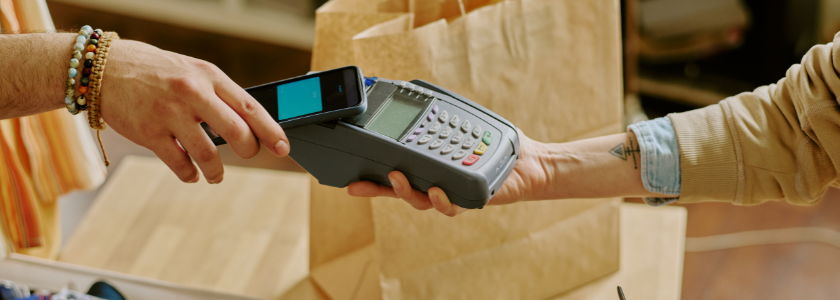
Customers give their personal information with an assurance of its safety. Security to a retailer is not simply a technical role; it is part of the retailing experience. The more customers feel safe, the more they are likely to come back and suggest your brand as well as make repeat orders. However, businesses that incur high security measures will illustrate to customers that they can be trusted. In the current competitive world of retailing, trust can be the differentiator.
Retail Cybersecurity And Digital Transformation In Saudi Arabia
Saudi Arabia is putting a lot of effort to grow growing digital and e-commerce businesses. Digital transformation is not going to work without a great cybersecurity infrastructure. New technology, be it mobile wallets, loyalty apps, or cloud-based systems, comes not only with convenience but also with threats.
Businesses need to ensure that they prioritize retail cybersecurity at every single stage in order to get the most out of these innovations. Hence, it is an investment, not an additional cost. Moreover, research studies conducted globally reveal that companies with effective cybersecurity systems have a higher growth rate since consumers feel secure dealing with the organizations.
Future Of Retail Cybersecurity In Saudi Arabia
Attackers are already applying AI to make more advanced attacks. Meanwhile, the retailers are putting in place more sophisticated technologies like machine learning, blockchain, and biometric verification to enhance security.
The secret to Saudi retailers is to be continuously improving. Security is never a one-off job, but it is a continuous process. Defenses also need to change as technology alters. Thus, businesses that monitor the trends going on in the world and what may happen locally can be one step ahead of the attackers.
But all in all, retail cybersecurity is not simply safeguarding data but protecting individuals, trust, and the future of retail in Saudi Arabia.
Frequently Asked Questions
1. Why is retail cybersecurity important for Saudi businesses?
It secures sensitive customer information like credit card numbers and personal information. Good security helps to create confidence, avoid monetary damages, and make sure to abide with Saudi regulations.
2. What are the biggest threats to retailers in Saudi Arabia?
The typical threats are phishing attacks, ransomware intrusions, and intrusions into POS systems, trust-based attacks (insiders), and credential stuffing. All of them may cause data leakages and financial losses.
3. How can retailers build customer trust through cybersecurity?
Retailers can show that the customer information is secure by encrypting information, maintaining MFA, updating systems, and complying with local regulations. However, this trust will spur back purchases and brand loyalty.


